In most markets, a building is not compelled to measure the waste it generates — it pays to have it taken away, to a landfill running out of space and filling up with methane. A cost somebody pays for, but nobody is counting. Oklin builds the systems that count it — and turn it into resources.

The founder's family spent two generations in single-use food packaging. Oklin was founded to spend the next one undoing it. The first machine was built through the family company — on-site and aerobic: food waste in, compost out in twenty-four hours. What grew was the size of the problem people brought us.
“On-site, aerobic — food waste in, compost out in twenty-four hours.”
The first enclosed aerobic machine, built through the family company. Waste treated where it is created.
From machines to whole systems — for a factory, or a district — following China's national programme.
Technology that recovers resources from organics. Organic waste in, resources out. That is the business.
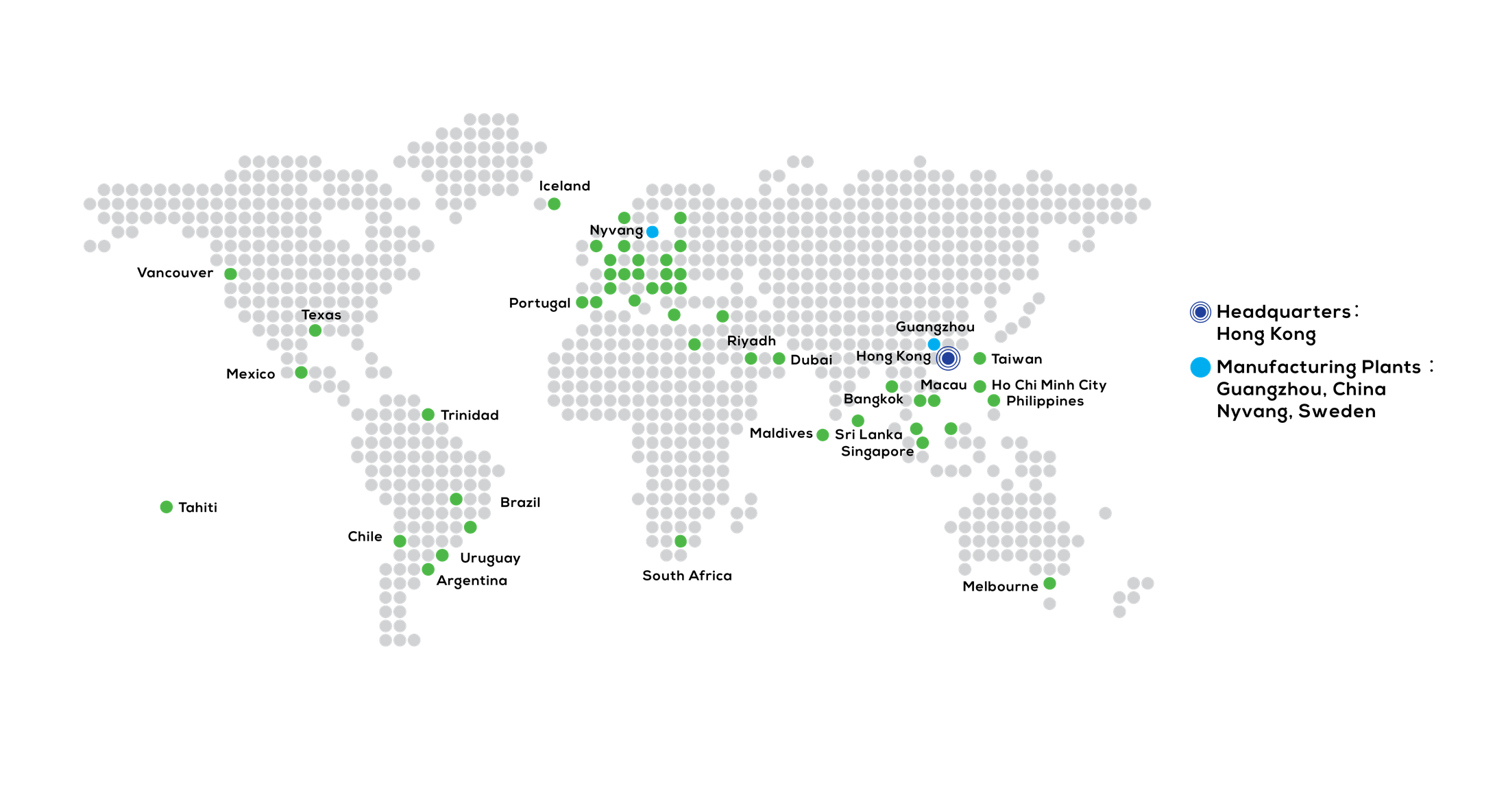
Hong Kong is our base. Guangzhou, our factory. Forty markets later, a second production base in Sweden — and two thousand references that gave us our operating scale.
So what goes in, and what comes out? The leftovers from a hotel buffet, fruit pulp from a juicing factory, produce from a farmers' market, animal waste from a breeding farm — in. Compost for city landscaping, fertiliser for your vegetables, animal feed, and recovered oils that can become sustainable aviation fuel — out.



Food waste and paper cups were composted on-site while you watched the Rugby Sevens.
On-site during match days
The district's food waste goes back as compost for the city's landscaping, and oil for biodiesel. Built at thirty tonnes a day, the city came back for an upgrade to sixty. In Thailand, the same model now turns market waste into fertiliser for the farmers.
30 t/day → upgraded to 60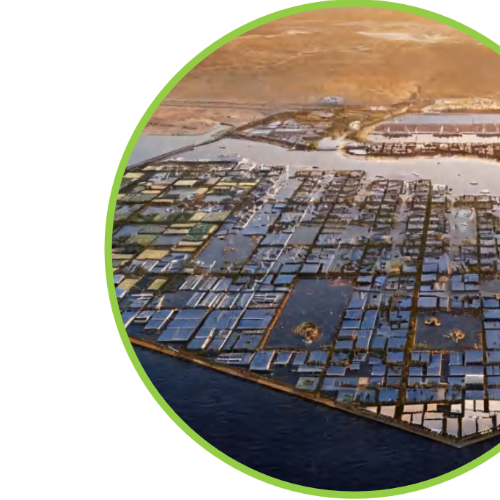
Started more than five years ago in hotels and the royal courts. Now part of a national programme: any organic waste into resources for the local markets.
Ministry-endorsedThe first plant is being built today, for animal waste — currently at five tonnes per day, expanding to one hundred tonnes by mid-2027. Even at full scale, that is only one fifth of one Saudi city's animal waste.
Across the kingdom there are four hundred other producers — and roughly two thousand across the region — generating the same waste stream.
With the Saudi ministry's endorsement, the programme runs from this first one to the whole kingdom, ahead of the producer-responsibility rules coming. Every plant is built to pay. The resource earns, not the treatment.
The rules are arriving on schedule. Buildings that pay to have waste taken away will have to start counting.
National programmes and producer-responsibility rules are arriving on schedule. Oklin's kingdom-wide programme is being built ahead of them.
From this financial year, Hong Kong's largest listed companies report Scope 3 — and they will start asking whoever handles their waste for a number, every year.
Most customers buy on cost. Our design pays back against their disposal bill — and the number goes into the report. Some already have it published in their ESG report.
Beyond Saudi Arabia, we are being asked to build — for districts, remote resorts, supermarkets, farms. We will not win them all. But it's a glimpse of the size of it, and it's just the beginning.
“Every untreated tonne is fertiliser, feed, fuel that nobody is selling. We would rather build ahead than catch up.”
Organic waste is unmeasured because we chose not to measure it. It is a liability because we chose to treat it as one. Both are choices.